About
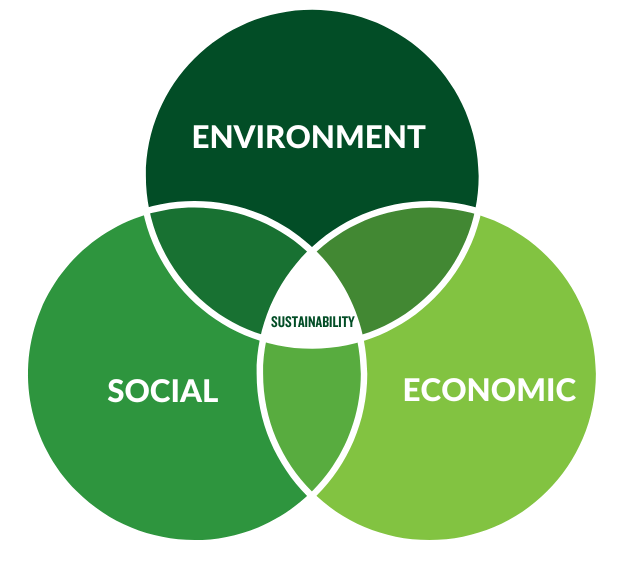
Baylor’s Office of Sustainability facilitates and coordinates work across operations, academics, student life, and community partnerships to address environmental, societal, and economic challenges of sustainability as they manifest on campus, in our community, and globally.
What is sustainability?
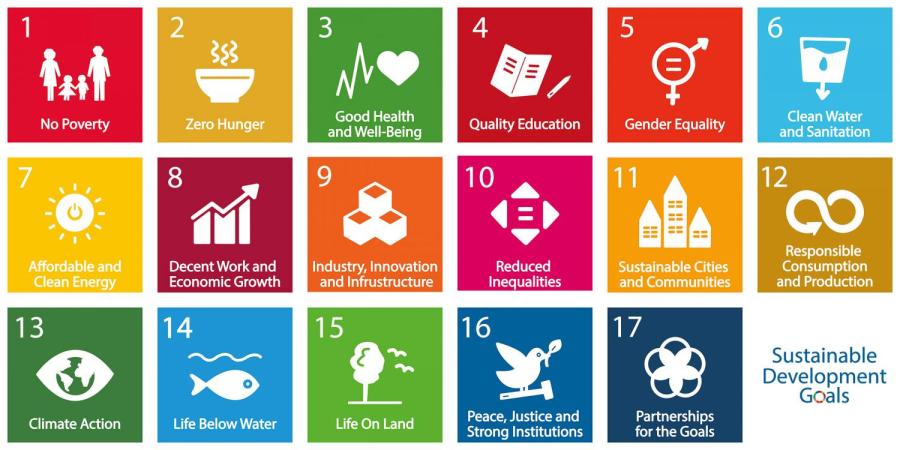
The United Nations defines sustainability as "meeting the needs of the present without compromising the ability of future generations to meet their own needs." The 17 Sustainable Development Goals, as established by the United Nations, emphasizes the necessary integrated approach to sustainability, that takes into consideration the needs of people, economic development, as well as environmental concerns. These goals act as a blueprint for peace and prosperity for people and the planet, now and into the future.
As highlighted by the Association for the Advancement of Sustainability in Higher Education (AASHE), higher education organizations play a key role in sustainable development; college campuses can operate as a model for sustainability, and more importantly, should prepare students to understand and address sustainability challenges in their careers and personal lives.
Sustainability Leadership Committee
Baylor in Deeds will guide Baylor’s growth through 2030 that includes the commitment for Demonstrating Christian Stewardship. In order to fulfill this commitment and demonstrate Baylor’s impact in the world, the university has formed the Sustainability Leadership Committee, with membership appointments provided by the President's Council, that is charged with crafting the vision for Baylor’s contribution to the transdisciplinary field. The vision and goals will address environmental, societal, and economic dimensions of sustainability and speak to work in academics, operations, campus culture, and community engagement.
Affiliations