

Office of Sustainability
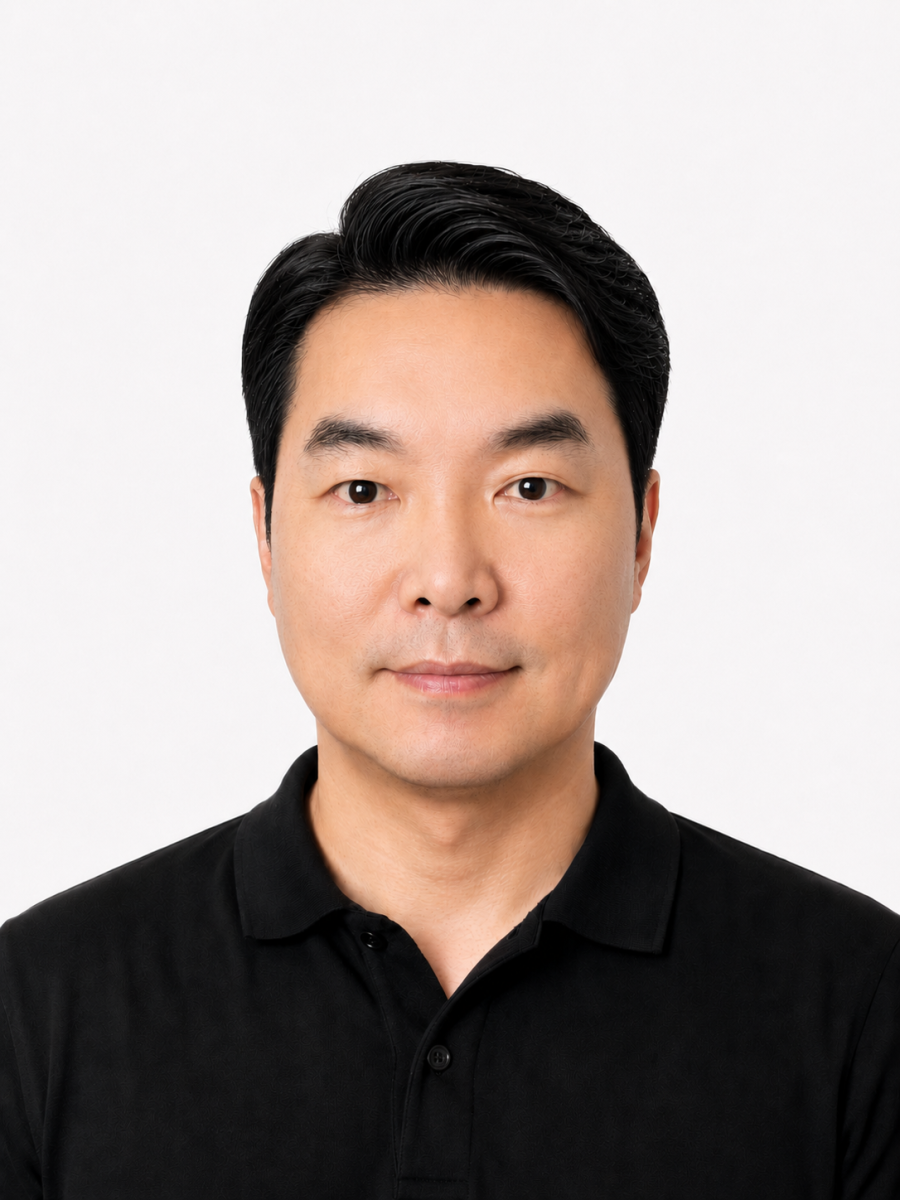
Jae-Hak Kim
- Recycling & Waste Reduction Eco Rep, 2026
Why Sustainability Became Personal
I grew up in a country that once knew deep poverty.
My mother belonged to the generation that lived through the Korean War, a generation that
learned scarcity not as a theory, but as a daily reality. I still remember her carefully washing
plastic grocery bags, drying them, folding them, and storing them for reuse.
As a teenager, I did not understand.
I remember watching her and thinking, Why go through all that effort for something so small?
Today, I remember that moment with regret—and gratitude.
In 1995, South Korea introduced a nationwide pay-as-you-throw waste system. Citizens were
required to purchase designated trash bags, and the cost of disposal increased with the
amount of waste produced. Recycling and food waste were separated, and food waste was
weighed and charged by volume. The system quietly reshaped everyday habits. People learned
to separate, reuse, and reduce—not because they were forced to, but because responsibility
had become visible.
Long before I had language for sustainability, I was being shaped by it.
Years later, after getting married, I became responsible for managing recycling in our
household. That was when I experienced another awakening. The amount of waste our family
produced in a single week was far greater than I had imagined. As our children grew, so did the
volume of what we threw away.
I had always believed that caring for others and caring for the world we share mattered deeply.
Yet standing before bags of trash week after week, I began to confront an uncomfortable truth:
my values and my daily practices were not always aligned.
That tension led me to study ecological theology and, eventually, brought my family and me to
the United States. Not long after arriving, I encountered yet another challenge. The American
recycling system felt unfamiliar and confusing. Placing all recyclables into a single bin went
against everything I had learned, and it took time to understand how the system worked.
Like many newcomers, I had to learn that sustainability looks different in different places—and
that understanding the system is essential for participating in it well.
A turning point came when I attended a seminar recommended by my department and had the
opportunity to visit the Waco Recycling Center and a local recycling facility. Seeing people who
were deeply committed to recycling—not as an abstract idea, but as careful, daily work—was
unexpectedly encouraging. Many of the questions I carried began to find clarity.
That experience led me to explore Baylor Sustainability more deeply.
What drew me to this work was not only the systems and strategies, but the people. Behind
every recycling program, every sustainability initiative, and every quiet operational improvement
are individuals who care deeply about the health of their community and the land they share.
Baylor Sustainability is a place where that care becomes tangible. It is where environmental
responsibility, community well-being, and long-term thinking meet daily practice. I am grateful
to be part of a team that works—often behind the scenes—to make our campus healthier,
more responsible, and more hopeful for the future.
For me, sustainability is not only about waste reduction or efficiency. It is about learning to live
attentively, to take responsibility for what we consume and discard, and to participate in the
shared work of caring for the places we call home.
I am thankful to do that work here.
- Websites
- Baylor Eco Reps